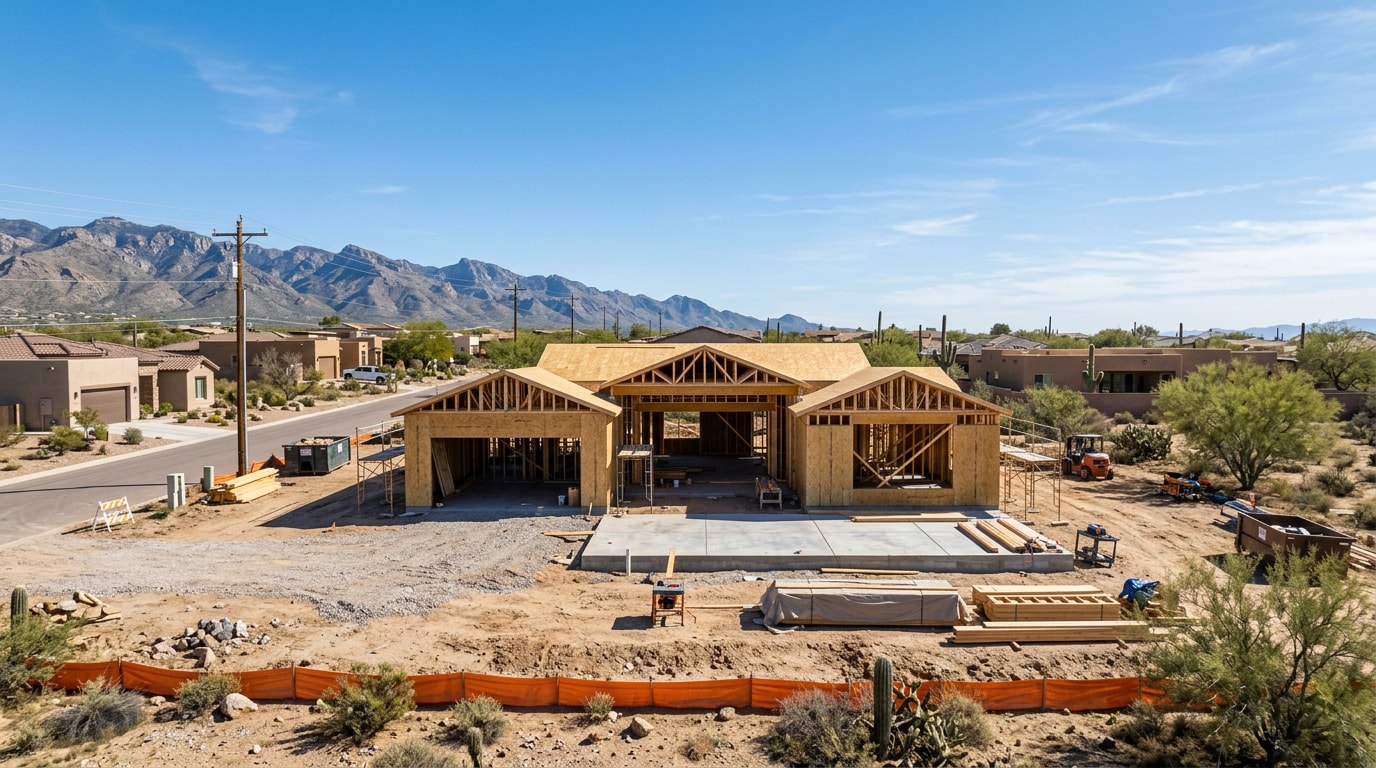
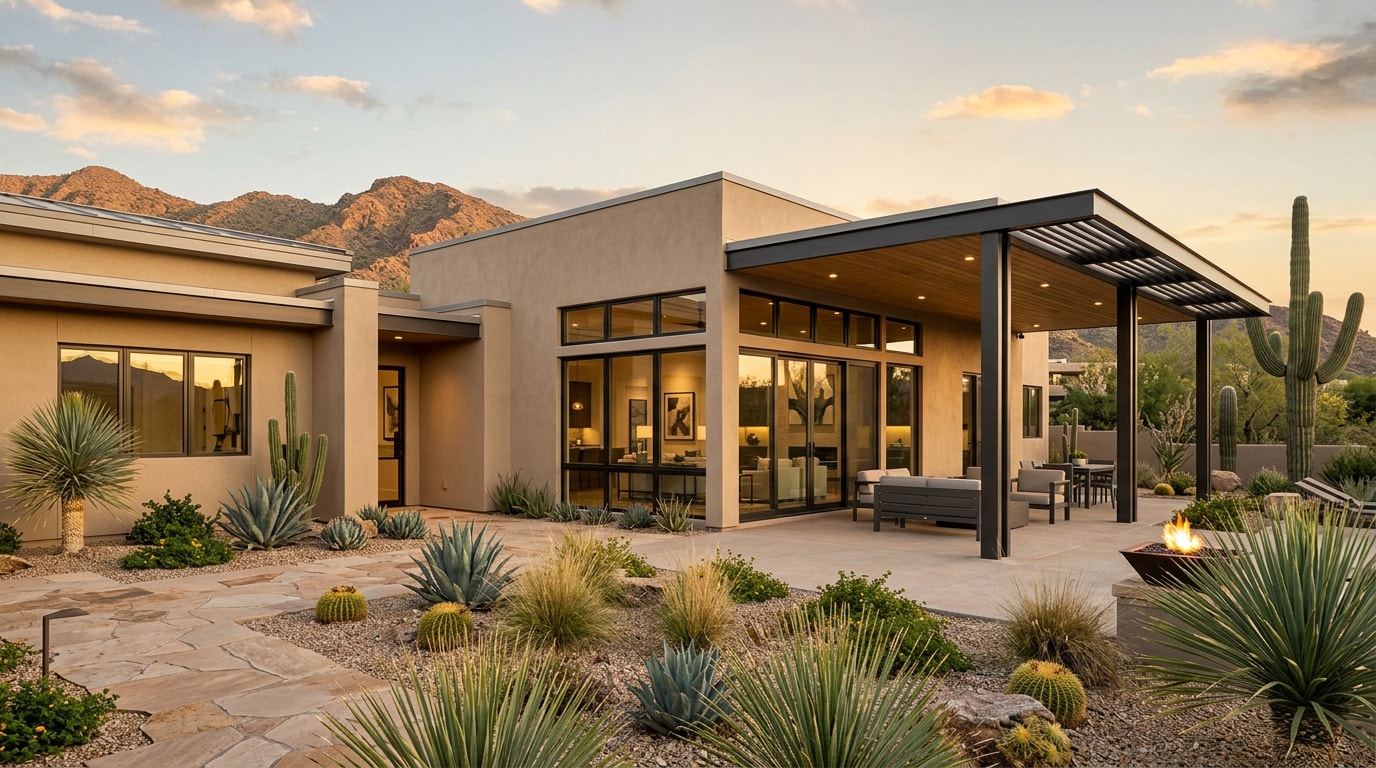
Concrete contracting in Tempe, AZ isn't a one-size-fits-all trade. The Valley's expansive clay soil and triple-digit pour days change how a slab gets mixed, placed, and cured, and a crew that skips those steps hands you a callback within a year. This guide covers what a quality concrete contractor should offer in Tempe, what projects run in 2026, and exactly how to vet one before you sign a contract.
What Concrete Contracting Covers in Tempe
"Concrete contracting" is a broad trade that spans far more than driveways. A full-service contractor in Tempe typically handles:
- New slab-on-grade pours for homes, additions, and commercial buildings
- Structural foundations, footings, and grade beams
- Driveways, patios, sidewalks, and curbing
- Commercial flatwork: parking lots, loading docks, and warehouse floors
- Concrete restoration, resurfacing, and joint repair
- Concrete cutting and coring for utility penetrations and demolition prep
Some companies only pour flatwork. Others, like a licensed general contractor, handle concrete as one phase of a larger build, which matters if your project is really a room addition or custom home that happens to need a foundation. Knowing which type of contractor you actually need is the first step before you request a quote. Start by browsing Ocotillo Construction to see the full scope of services offered across the Phoenix metro.
Why Tempe's Soil and Climate Change the Job
Much of the Phoenix metro sits on clay-heavy soil that shifts with moisture. Expansive soils contain clays, microscopic-sized minerals, that are capable of large volume changes in the face of changing water conditions.
Problem soils are found throughout Arizona, from Yuma in the southwest to the northeast corner of the Colorado Plateau , and Tempe sits squarely inside that zone. You can review the Arizona Geological Survey's problem soils research for more detail on how shrink-swell soil behaves under a slab.
In practice, that means soil compaction testing and moisture barriers aren't optional steps to skip for speed. Our crews plan pours around early-morning hours and extended curing windows during Arizona's hottest months, because concrete that sets too fast in 110-degree heat loses strength before it ever gets load-tested.
Local code matters too. Effective July 1, 2026, the City of Tempe has adopted the 2024 International Code Council (ICC) Codes (I-Codes), the 2023 National Electrical Code (NEC), and applicable local amendments. Any contractor pulling permits for a Tempe pour in 2026 should already be working from this updated code set. Check the City of Tempe's building codes and amendments page if you want to confirm current requirements yourself.
2026 Concrete Pricing in the Tempe Area
Exact quotes depend on site access, soil prep, and finish type, but these are the general ranges contractors in the Phoenix metro typically work within for 2026:
| Project Type | Typical Price Range | Notes |
|---|---|---|
| Basic driveway or patio slab | $6–$8 per sq. ft. | Standard broom finish, minimal prep |
| Stamped or decorative concrete | $8–$12 per sq. ft. | Pattern, color, and sealing add cost |
| Standard commercial foundation | $7–$10 per sq. ft. | Varies with reinforcement and soil conditions |
| Concrete cutting/coring | Priced per linear or square foot cut | Depends on slab thickness and access |
Treat these as planning numbers, not a bid. A written estimate from a site visit is the only way to know what your specific lot and soil conditions will cost.
Commercial Concrete Construction and Foundations
New commercial concrete work in Tempe covers parking lots, loading docks, and structural pours for office and retail buildings. A qualified contractor coordinates site prep, formwork, reinforcement, and finishing as one continuous process rather than handing pieces off between subcontractors, which is also how we approach commercial building construction projects across the Valley.
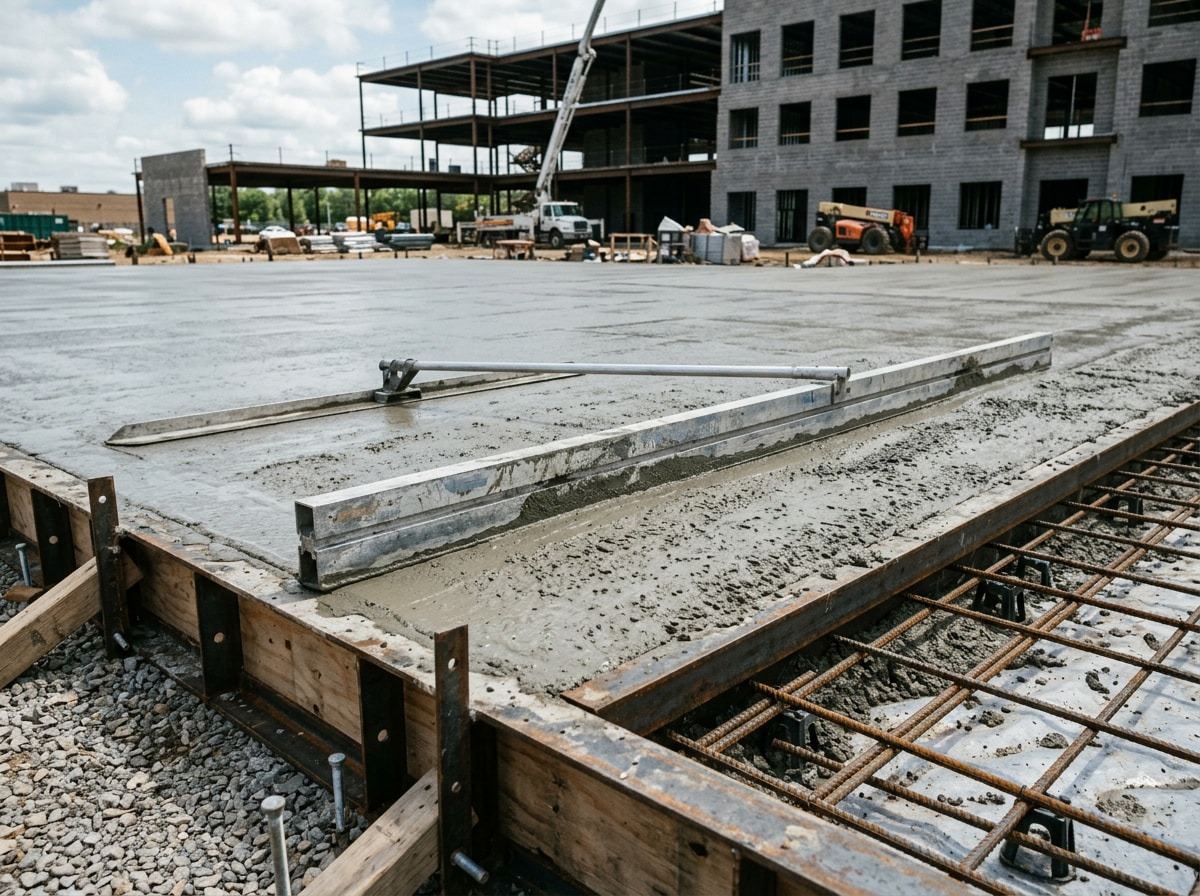
Commercial foundations in particular have to account for Tempe's clay-heavy soil. A slab-on-grade foundation, common for retail and light-industrial buildings, needs:
- Soil compaction testing before any structural concrete is poured
- Moisture barriers rated for the site's conditions
- Reinforcement sized to the building's load and local soil-bearing capacity
- Permits pulled and inspected under current commercial contractor code requirements
Skipping soil testing or under-preparing the base is one of the most common, and most expensive, causes of foundation cracking in the Valley.
Concrete Restoration vs. Full Replacement
Cracking, spalling, and uneven settling are the usual warning signs on a commercial driveway or walkway. The right fix depends on how deep the damage runs:
- Resurfacing or joint repair works for surface-level cracking, minor spalling, or cosmetic wear. It costs less and takes less time than a tear-out.
- Full replacement is usually necessary when cracks run through the full slab depth, sections have settled unevenly, or the slab has failed in multiple spots.
An honest contractor should tell you which category your project falls into before quoting a price, not after. This is the same diagnostic approach we use on commercial renovation projects where existing concrete is part of the scope.
Concrete Cutting and Coring Services
Concrete cutting supports utility penetrations, HVAC openings, and demolition prep on existing structures. A single miscut can hit rebar, plumbing, or electrical lines buried in the slab, so this is a specialized skill, not a side task for a general laborer.
How Professional Concrete Cutting and Coring Works
Professional cutting starts with locating utilities and reviewing site plans before any blade touches the surface. Crews then choose wet-cutting, which uses water to cool the blade and suppress dust, or dry-cutting for smaller jobs where water isn't practical, followed by site cleanup.
Wet-cutting is the industry standard for larger jobs because it dramatically cuts down airborne silica dust. OSHA's Respirable Crystalline Silica standard for construction requires employers to limit worker exposures to respirable crystalline silica and to take other steps to protect workers.
That standard applies to all occupational exposures to respirable crystalline silica in construction work, except where employee exposure will remain below 25 micrograms per cubic meter of air (25 μg/m³) as an 8-hour time-weighted average. Licensed contractors follow OSHA's respirable crystalline silica standard for construction rather than relying on general caution.
If your project involves tearing out concrete entirely rather than cutting an opening, our residential demolition guide covers what that process and cost look like in Tempe.
Service Areas Around Tempe
A Tempe-based concrete crew should know the city block by block, from neighborhoods near Arizona State University to the industrial corridors along the Loop 101. Most local crews also work the surrounding cities, since project demand across Maricopa County doesn't respect city lines.
Ocotillo Construction serves:
Confirm a contractor's listed service area before assuming they cover your project's location, especially for larger commercial work that may require more crew capacity than a small residential-only outfit can provide.
How to Vet a Concrete Contractor Before You Sign
A polished website isn't proof of quality work. Before hiring, check:
- An active Arizona contractor license covering the scope of your project
- Current bonding and liability insurance, confirmed in writing
- A track record of similar local projects, not just stock photos
- A detailed written estimate that breaks down prep, materials, and finish
Licensed and insured status protects you if something goes wrong mid-project. If a contractor hesitates to share license information, treat that as a red flag. Ready to compare quotes? Get a Free Consultation and we'll walk through your project scope before any crew sets foot on site.
Why Tempe Property Owners Choose Ocotillo Construction
Ocotillo Construction is a licensed, bonded, and insured general contractor serving Tempe and the greater Phoenix metro. Our field crews pour and finish concrete year-round in Arizona's heat, which means planning around early starts, managing curing windows, and testing soil before a single yard gets placed, not after a crack shows up.
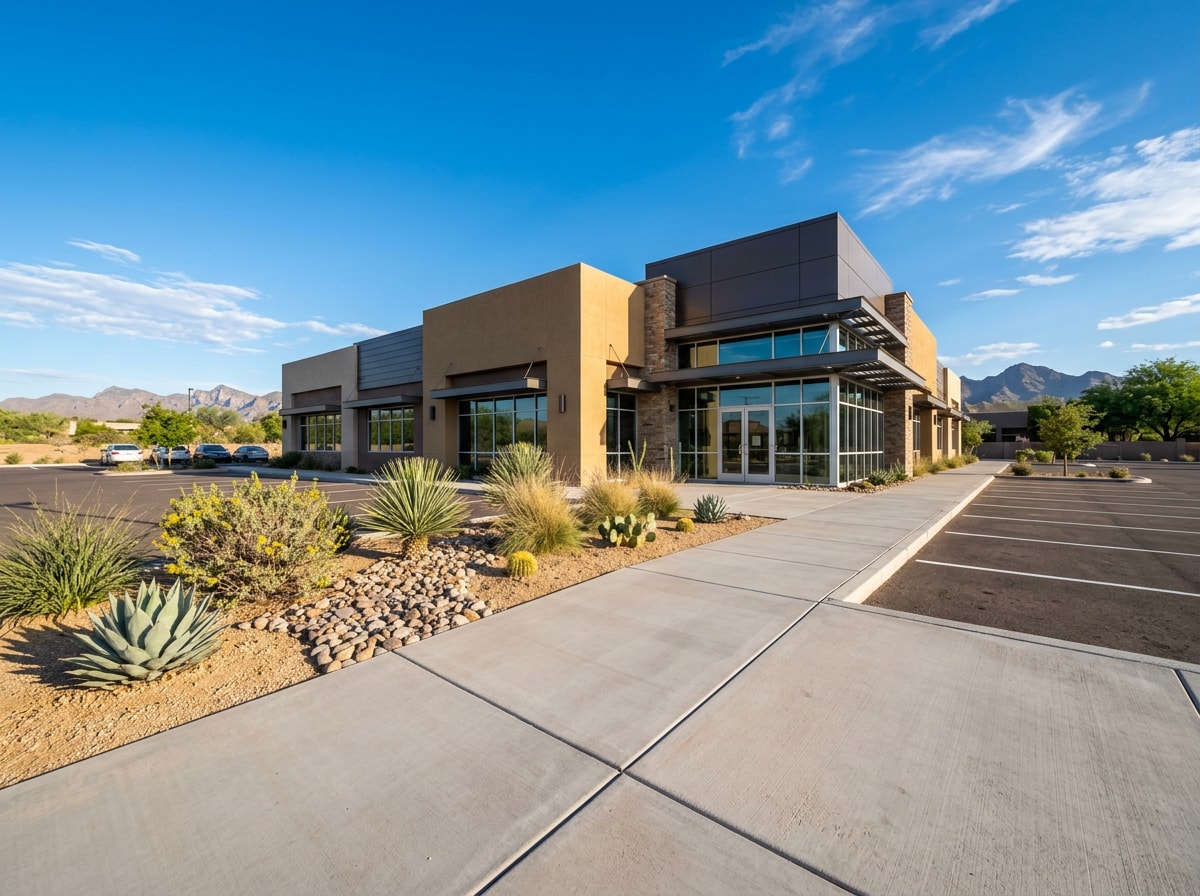
Reviews are one of the few ways to judge a contractor before signing, but not all reviews carry equal weight. Look for feedback that mentions a project similar to yours, was posted recently, and includes specific details like timeline and communication, not just a star rating. You can browse completed work on our projects page or contact us directly to discuss your scope and timeline.
FAQ
How can I check a contractor's license in Arizona?
To find out if a contractor's ROC license is current and see other information related to the license, enter their 6 digit license number or their name on the state search tool. Use the Arizona Registrar of Contractors license search to confirm status, bonding, and any complaint history before you sign anything.
What does concrete cost per square foot in the Tempe area?
Basic driveway or patio slabs typically run $6 to $8 per square foot, stamped or decorative finishes run $8 to $12, and standard commercial foundation work runs $7 to $10 as of 2026. These are planning ranges; your actual quote depends on site prep, access, and finish.
How long does concrete need to cure in Arizona heat?
Concrete reaches enough strength to walk on within 24 to 48 hours, but full structural cure takes about 28 days regardless of climate. In Tempe's summer heat, crews extend wet-curing time and sometimes use curing compounds to prevent the surface from drying too fast and cracking.
Do I need a permit for concrete work in Tempe?
Most structural pours, foundations, and commercial flatwork require a permit under the city's adopted building codes. Small residential repairs like resurfacing an existing driveway typically don't. A licensed contractor pulls the permit as part of the job rather than leaving that step to you.
Is a concrete contractor the same as a general contractor?
No. A concrete contractor specializes in foundations, slabs, and flatwork. A general contractor manages an entire project, including the concrete phase, alongside framing, electrical, plumbing, and finish work. If you're building a new home or addition, you'll need a general contractor who either employs concrete crews directly or manages them as part of the build.