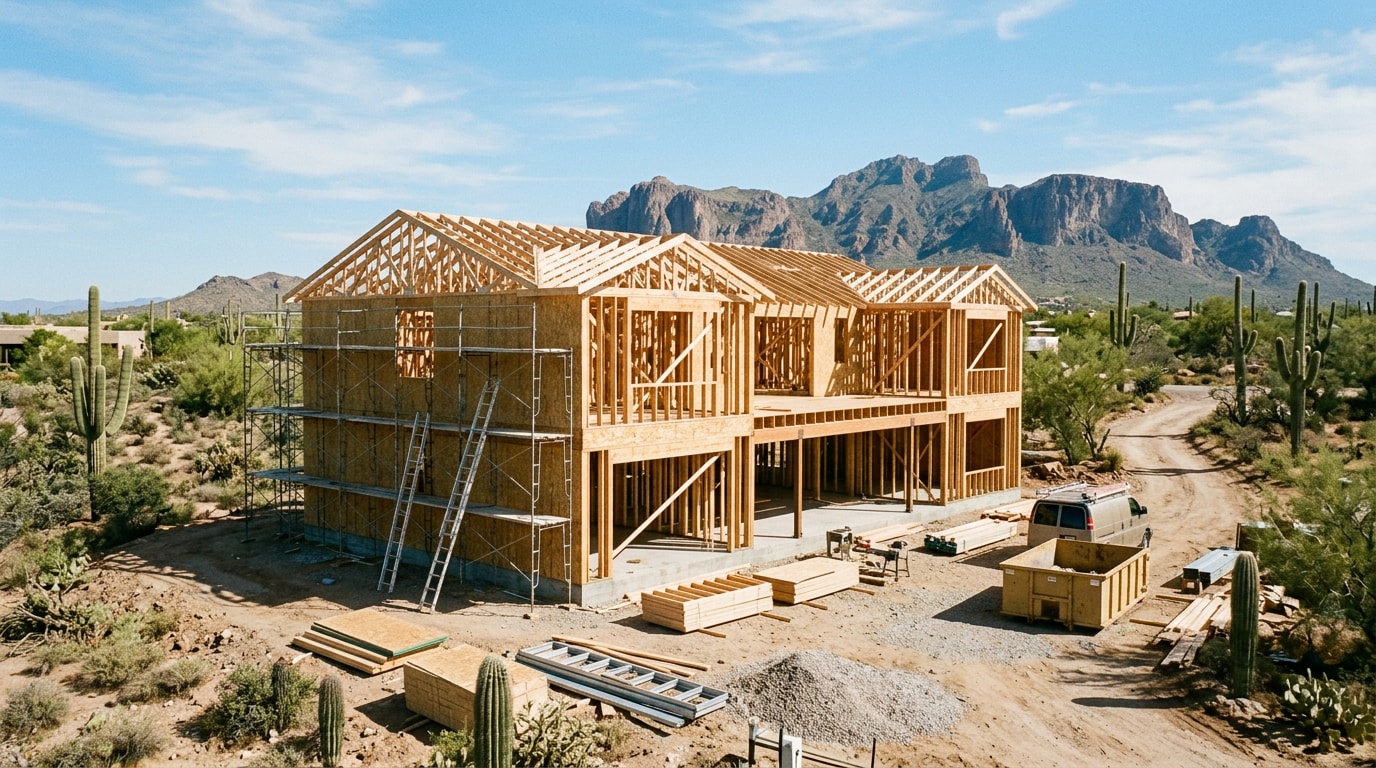
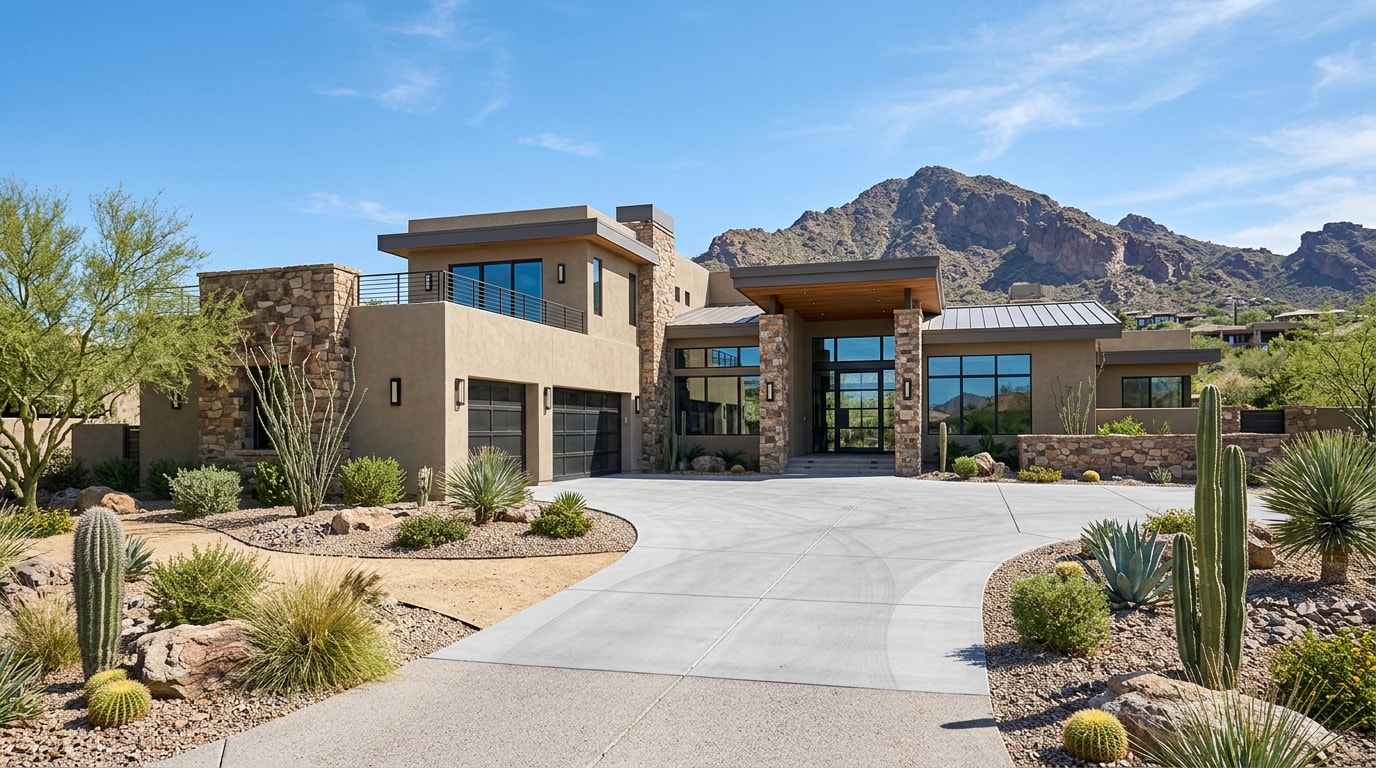
Commercial building construction companies in Chandler, AZ aren't interchangeable, and picking one is a bigger decision than hiring a contractor for a home remodel. A commercial build involves stricter permitting, larger budgets, and a general contractor who can manage subcontractors across months of work. Here's how to define your project scope, understand the local process, and ask the questions that separate a solid commercial contractor from a risky one.
Defining the Scope of Your Project
Before you start calling contractors, know what kind of project you actually have. Commercial construction covers a much wider range of building types, codes, and stakeholders than residential work, and that difference shapes your budget and timeline from day one.
Residential vs. Commercial Construction in Chandler
Commercial construction differs from residential building in three practical ways: stricter building codes and occupancy rules, mandatory accessibility compliance, and a stronger emphasis on durability and function over aesthetics alone. "Commercial facilities" are defined as any nonresidential facility whose operations affect commerce, including office buildings, factories and warehouses, so most employer-occupied buildings fall under this standard.
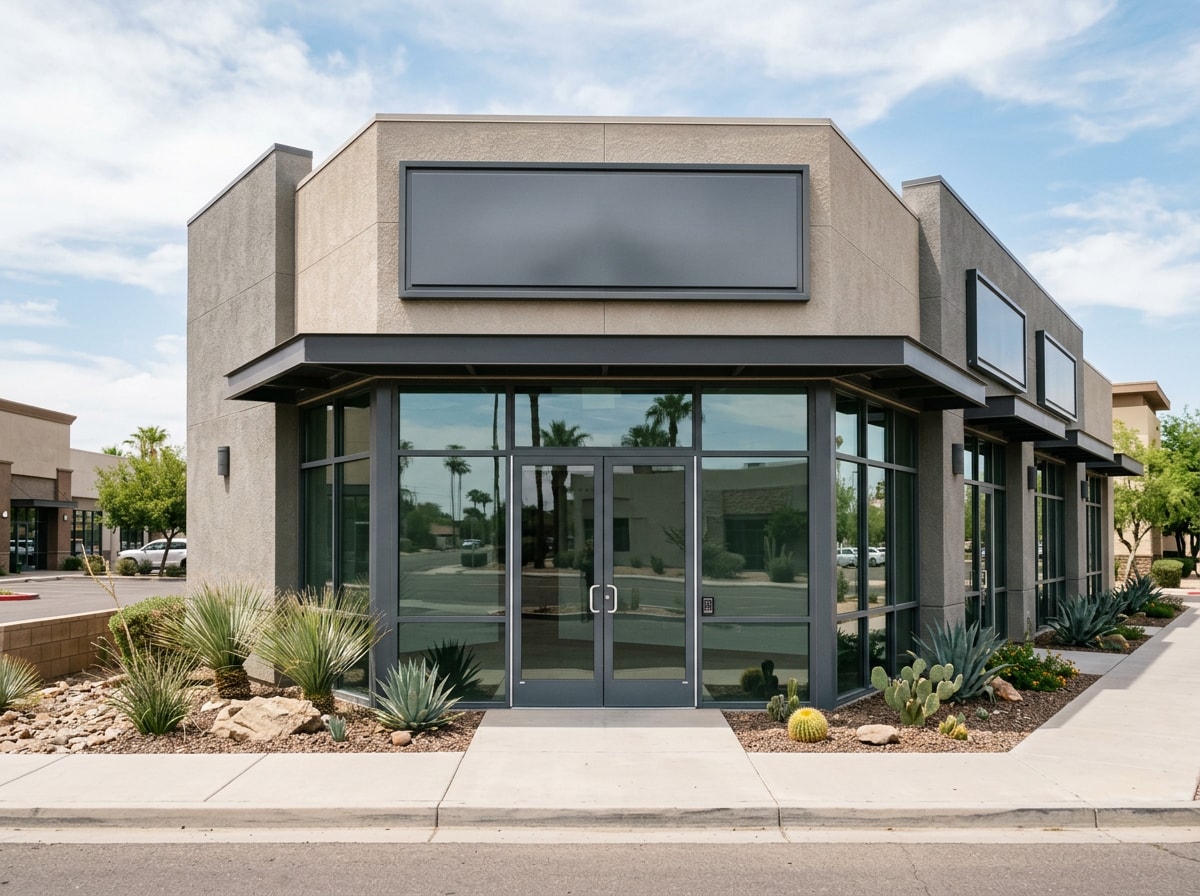
In Chandler, this plays out in specific scenarios. An office build-out needs accessible restrooms, proper egress paths, and fire-rated separations between tenant spaces. A retail shell has to account for signage ordinances and parking ratios tied to Chandler zoning. A light-industrial warehouse needs loading dock clearances and fire suppression systems sized for the stored materials. Each of these triggers a different review path through the city's permitting process, so knowing your building type early saves time later. You can browse our commercial contractor services to see how these project types are typically scoped.
Comparing Commercial Construction Companies in Chandler, AZ
Chandler's commercial construction market includes a mix of regional general contractors and smaller specialty firms, and the right fit depends on your project type more than on raw company size. Instead of ranking names, it's more useful to compare the categories of firms operating locally and what each tends to bring to the table.
| Contractor Type | Best For | Typical Project Size | Key Trade-Off |
|---|---|---|---|
| Regional general contractor | Office campuses, retail centers, industrial facilities | $1M and up | Established subcontractor network, but slower to mobilize on small jobs |
| Mid-size / TI specialist | Tenant improvements, medical or retail build-outs | $50K to $1M | Faster turnaround, tighter tenant coordination |
| Design-build firm | Straightforward new construction with a single point of contact | Varies | Shorter timeline, but less competitive bidding on materials |
When comparing a shortlist of commercial building construction companies in Chandler, AZ, ask each one directly about years in business, which commercial segments they specialize in (office, retail, industrial, or tenant improvement), and whether their Arizona contractor license is active and in good standing. Don't rely on review counts pulled from directory sites without verifying them yourself; those figures change often and aren't always current. A genuine comparison means requesting the same information from every firm on your list so you're judging apples to apples.
For a closer look at the types of commercial projects handled locally, visit our commercial building construction page, or get a free consultation to talk through your scope before you request quotes.
The Commercial Construction Process: Design to Handoff
A commercial build generally moves through four phases: planning and design, permitting, construction, and handoff. Most delays happen at the handoff points between phases, not during the actual building work. Understanding this flow helps you ask better questions when interviewing contractors.
Design, Planning, and Permitting in Chandler
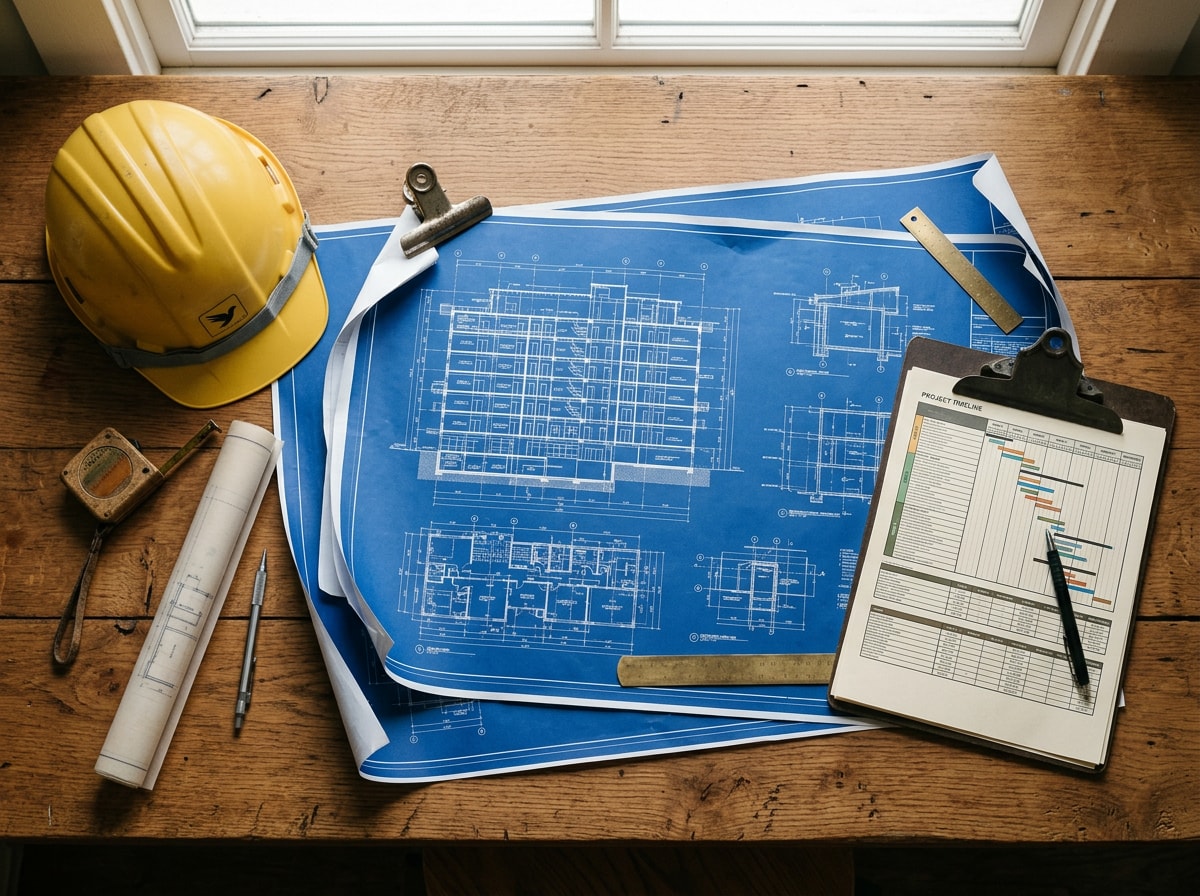
Design and planning starts with a feasibility study that checks zoning, utility capacity, and code constraints before any architectural work begins. From there, space planning and early cost analysis help set a realistic budget, often supported by 3D modeling so clients can catch layout problems before they become expensive change orders.
Permitting timelines in Chandler vary by project complexity, but a commercial plan review generally moves through intake, a first review cycle, and one or more correction cycles if issues are flagged. One detail many local guides leave out: the City of Chandler has amended and adopted the 2024 editions of the International Codes with the 2023 edition of the National Electrical Code , so any plans submitted now need to reference the current code set, not an older edition pulled from a previous project. Accessibility requirements also apply at this stage; under federal rules, when businesses build or alter buildings or other facilities, they must make them accessible to people with disabilities , which is why ADA review is baked into most commercial plan checks. You can confirm current review steps directly on the Chandler Building Safety plan review page and review accessibility scoping on the ADA.gov Title III overview before finalizing your design.
Construction Management and Execution
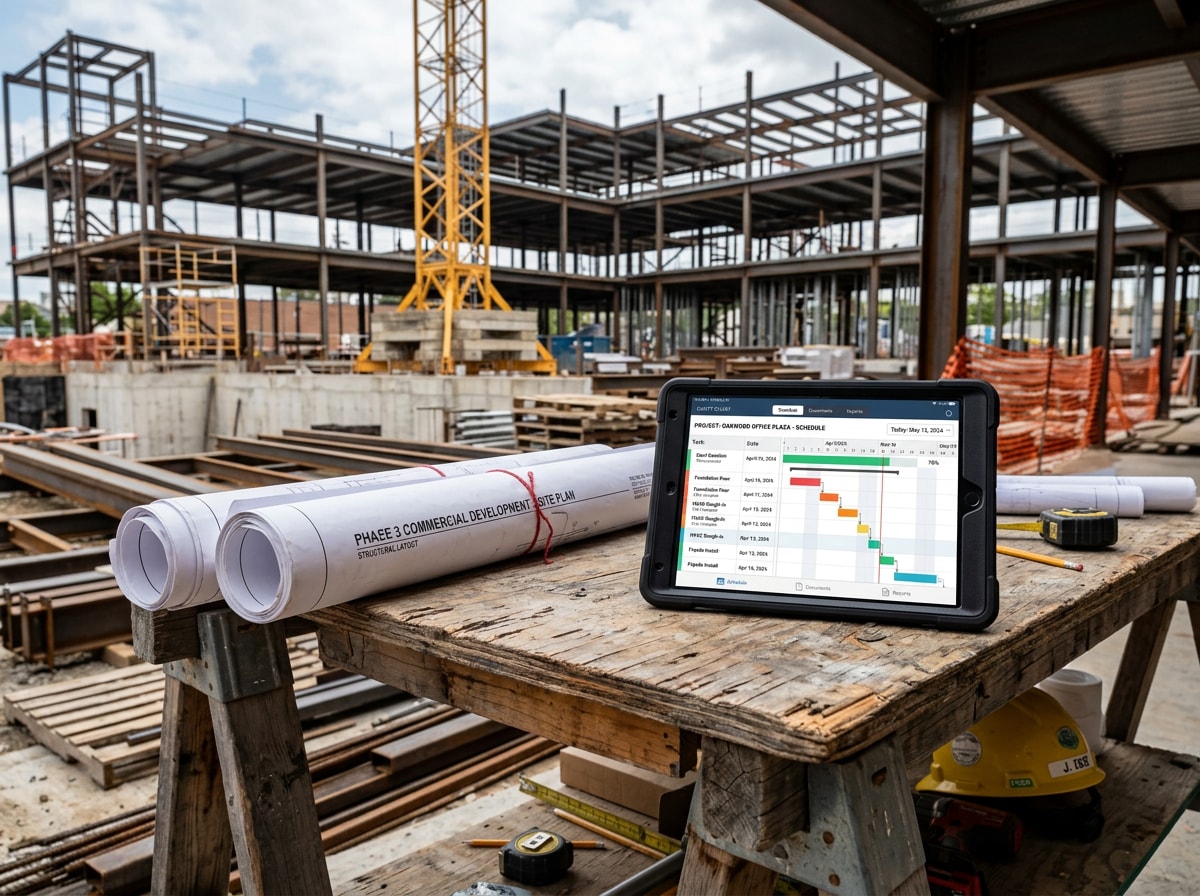
Once permits are in hand, construction management becomes the daily engine of the project. This covers subcontractor coordination across trades like electrical, mechanical, and framing, along with budget tracking, schedule management, and on-site supervision to catch issues before they cascade.
In our own commercial build-outs across the East Valley, the correction cycle, not the initial plan submittal, is almost always where schedules slip. Most established contractors track milestones with some form of scheduling software and flag delays early. For a deeper look at how this phase works day to day, our guide on construction management process and costs breaks down what a project manager actually does on site. It's reasonable to ask a prospective contractor how they track schedule and budget changes, and how often they communicate updates to you as the client.
Typical Commercial Construction Costs in Chandler, AZ (2026)
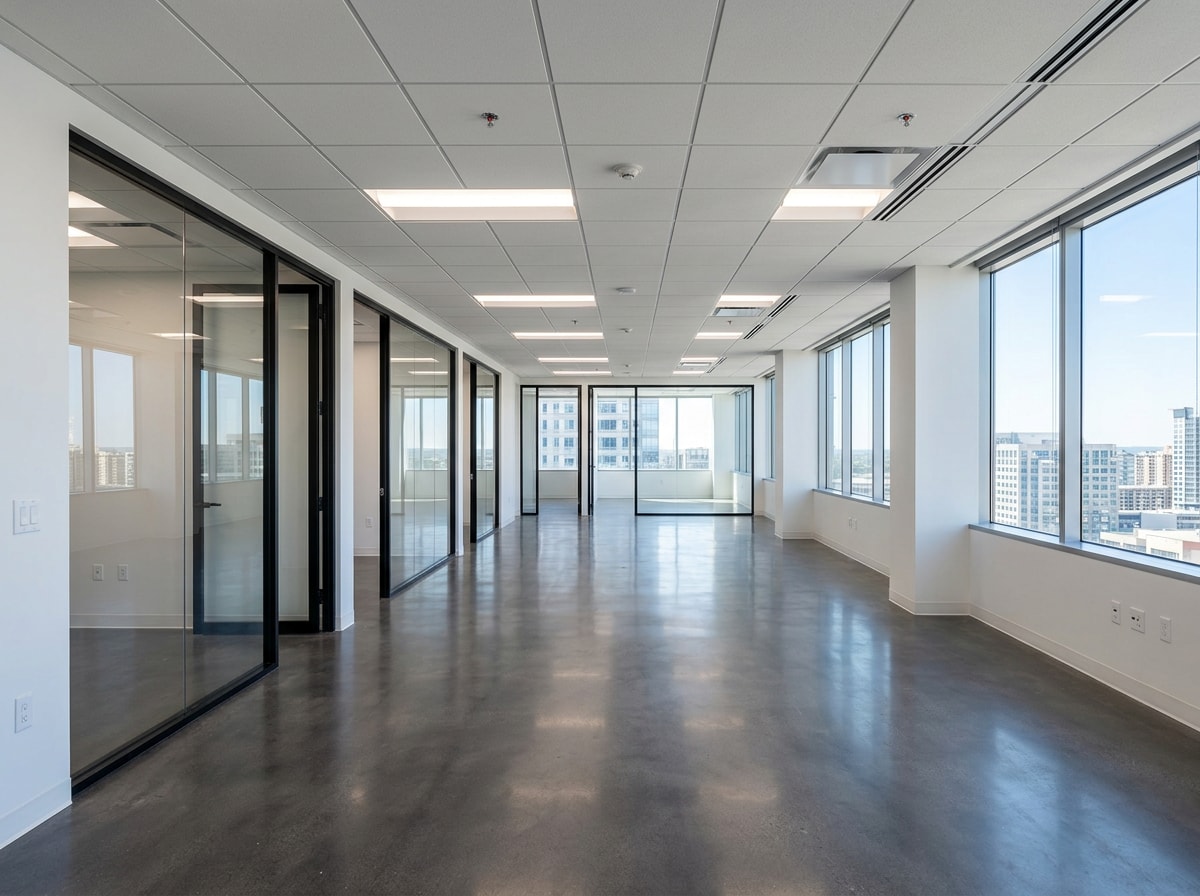
Costs vary widely by building type, finish level, and site conditions, so treat the ranges below as a starting point for budgeting conversations, not a quote.
| Building Type | Approximate Cost Range (per sq ft) | What Drives the Price |
|---|---|---|
| Office build-out | $100-$300 | HVAC zoning, ceiling finishes, electrical/data load |
| Retail shell | $90-$260 | Storefront glazing, signage, parking lot work |
| Industrial / warehouse | $70-$180 | Clear height, dock doors, floor flatness |
| Tenant improvement | Often higher per sq ft than new shell space | Concentrated finish work in a smaller footprint |
Industry groups like the Construction Financial Management Association and the Associated General Contractors of America publish regular cost surveys and benchmarking data that track how material and labor costs move year to year; checking AGC's construction data resources before locking a budget is worth the ten minutes it takes. Always confirm pricing with a written estimate from the contractor, not a national average.
How Do You Choose the Right General Contractor for a Commercial Build?
This question comes up in nearly every local search for Chandler contractors, and for good reason. It's the single factor that most affects whether your project finishes on time and on budget. Four pillars matter most: relevant experience, proper licensing, a verifiable track record, and clear contractual communication.
Experience and Specialization
Years in business matters less than whether a contractor has handled your specific building type. A firm with fifteen years of residential remodeling experience isn't necessarily equipped for a healthcare build-out with specialized mechanical and infection-control requirements.
Ask for examples of recent projects in your category, whether that's tenant improvement, office buildout, commercial renovation, or [retail construction]({{SITE_URL}}/services/commercial-contractor/retail-construction}, and how recently those were completed. Specialization in your exact niche usually means fewer surprises during permitting and inspection, since the contractor already knows which code triggers apply to that building type.
Licensing, Bonding, and Insurance
A commercial contractor in Arizona should hold an active Arizona contractor license, carry a bond sized appropriately for your project, and maintain general liability and workers' compensation insurance. Many complaints about unlicensed entities happen when a business owner believed they had contracted with a licensed, bonded, and insured contractor but had not, which is why checking the license through the Arizona Registrar of Contractors (AZ ROC) is the only sure way to confirm it.
To check a license yourself, use the official AZ ROC Contractor Search. Enter the contractor's six-digit license number or their name to find out if the license is current and see bond and complaint history on file. It takes a few minutes and tells you more than any sales conversation will.
Ask directly whether the bonded contractor's coverage amount matches the scale of your project. A bond sized for small remodels won't offer meaningful protection on a multimillion-dollar build.
Track Record, References, and Commercial Project Examples
Evaluate a contractor's commercial project portfolio the way you'd evaluate a job candidate's work history: look for relevant, recent, and verifiable examples. Ask to see photos or site addresses of past projects similar in size and type to yours, or browse a contractor's completed project gallery directly.
When you call references, go beyond "were you happy with the work." Ask whether the project finished on schedule, how change orders were handled, and whether the contractor communicated proactively when problems came up. A contractor who hesitates to provide references, or only offers one or two, is worth a second look before you commit.
Clear Communication and Written Contracts
Every commercial project should run on a written contract that spells out the scope of work, project schedule, payment schedule tied to milestones, and the process for handling change orders. Verbal agreements or vague scope descriptions are where most commercial disputes start.
A solid contract also names who's responsible for permit pulls, defines warranty terms, and outlines what happens if the schedule slips due to factors outside either party's control. If a contractor is reluctant to put these details in writing, treat that as a warning sign rather than a formality to skip.
Vetting Checklist: Questions to Ask Before Hiring
A short, direct list of questions can reveal more about a commercial contractor than a polished sales pitch. Before hiring, ask each candidate:
- What's your current bonding limit, and does it cover a project of this size?
- How do you select and manage subcontractors on a typical job?
- Can you share your safety record or OSHA incident history?
- What's your process for handling change orders, and how are costs communicated?
- What warranty terms apply to workmanship and materials after completion?
- How do you handle schedule delays caused by permitting or material supply issues?
- Who will be my primary point of contact during construction?
Pay attention not just to the answers, but to how specific and confident each contractor is in responding. Vague answers to direct questions are often a preview of how communication will go during the actual build.
Making a Decision
Weighing experience, licensing, references, communication style, and cost together, rather than picking the lowest bid, tends to produce better outcomes on commercial builds. A contractor who scores well across all four vetting pillars but comes in slightly higher on price is usually the safer long-term choice.
Once you've narrowed your list to two or three firms, request detailed written proposals and compare them line by line, not just by total cost. Visit our homepage for an overview of how we approach commercial projects in the East Valley, or see our Chandler, AZ service area page for local project examples. If you're ready to move forward, get a free consultation and we'll walk through your scope before you request a quote.
What Happens After Construction?
Construction doesn't end when the building is finished. Expect a punch list phase, where the contractor and client walk the space together to flag any remaining fixes, from touch-up paint to door alignment issues. This list should be resolved before final sign-off.
A final inspection from the Chandler building department confirms the space meets code before a certificate of occupancy is issued. Your contractor should also hand over close-out documentation, including warranty information, equipment manuals, and as-built drawings that reflect any changes made during construction.
Warranty coverage typically spans one year for workmanship, though material and equipment warranties from manufacturers may run longer. Keep this documentation organized; it's what you'll reference if an issue comes up six months after move-in. If you have questions about what your close-out package should include, our contact page is a good place to start that conversation early, before construction wraps.
About the Author
This guide was written by the commercial team at Ocotillo Construction, an Arizona-licensed general contractor serving Chandler, Gilbert, Tempe, Scottsdale, and the greater Phoenix metro. Our project leads have overseen tenant improvements, office build-outs, and ground-up commercial work across the East Valley, and the vetting criteria above reflect the same questions we tell prospective clients to ask us. Have a project to discuss? Contact our team.
Frequently Asked Questions
Who Are Considered the Best Construction Contractors in Chandler?
There's no single "best" contractor for every project. The right fit depends on licensing status, relevant specialization, and a verifiable track record in your specific building type. The most reliable approach is applying the vetting criteria covered above rather than relying on a ranked list.
What Services Do Chandler's Top Construction Contractors Offer?
Most established commercial contractors in Chandler offer new construction, tenant improvements, design-build services, renovations, and metal or industrial building construction. Many also handle smaller scopes like interior buildouts and facility upgrades for existing tenants.
Who Offers Commercial Construction in Chandler?
Multiple licensed general contractors across the East Valley serve commercial clients in Chandler, ranging from large regional firms to smaller specialty builders. The best way to find the right one for your project is applying the same licensing, experience, and reference checks outlined earlier in this guide.
How Long Does Commercial Construction Take in Chandler?
A tenant improvement can often be designed, permitted, and built in a few months. A ground-up commercial building typically takes longer once design, permitting, and multiple inspection cycles are factored in. Project complexity and current permitting volume both affect the timeline, so ask your contractor for a phase-by-phase schedule rather than a single completion date.
Do I Need a Permit for a Tenant Improvement in Chandler?
Most tenant improvement work, including changes to walls, electrical, plumbing, or mechanical systems, requires a building permit through the City of Chandler. Cosmetic work like paint or carpet typically doesn't. Confirm scope-specific requirements with the city's Building Safety division before work starts.
What Does Commercial Construction Cost in Chandler?
Costs vary by building type and finish level. The table earlier in this guide outlines general ranges for office, retail, and industrial space, but material costs and labor availability shift regularly. Always confirm pricing with a written estimate rather than a national average.