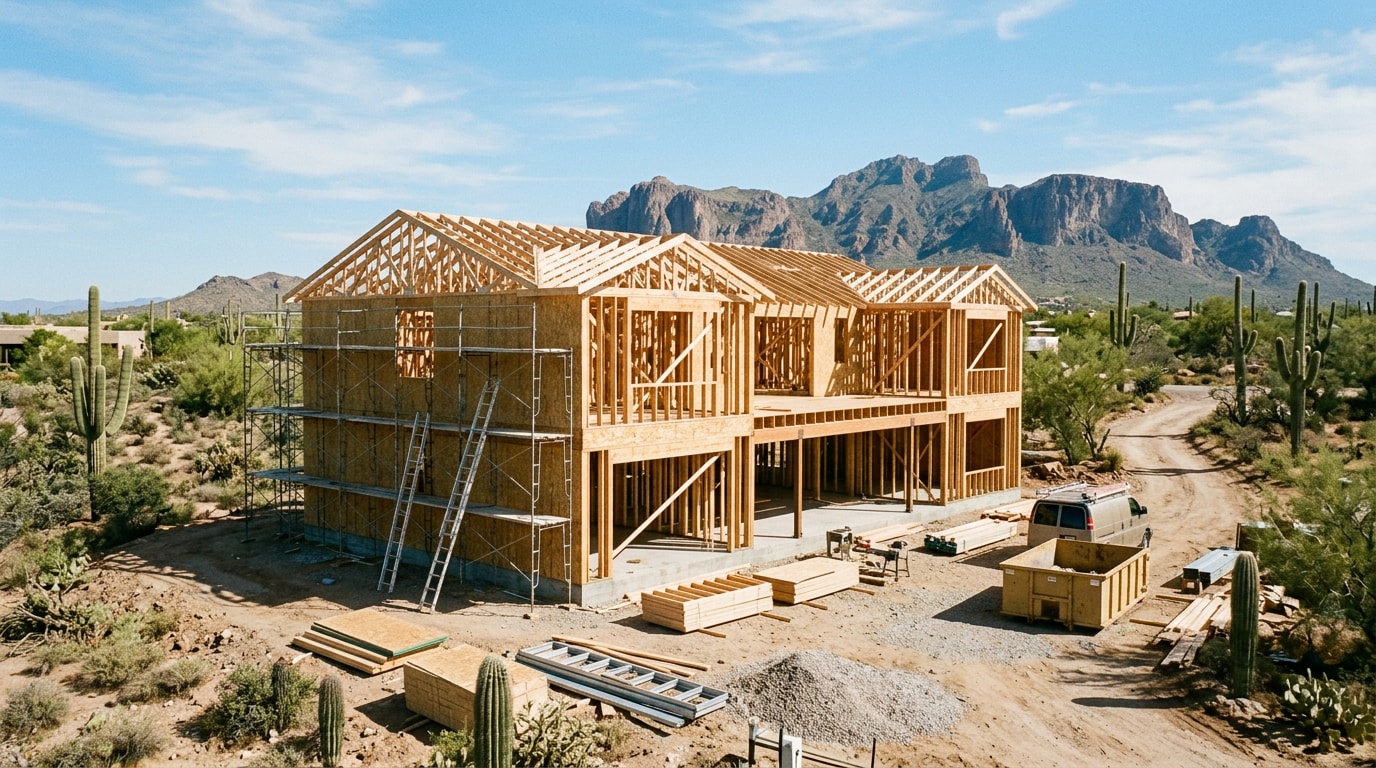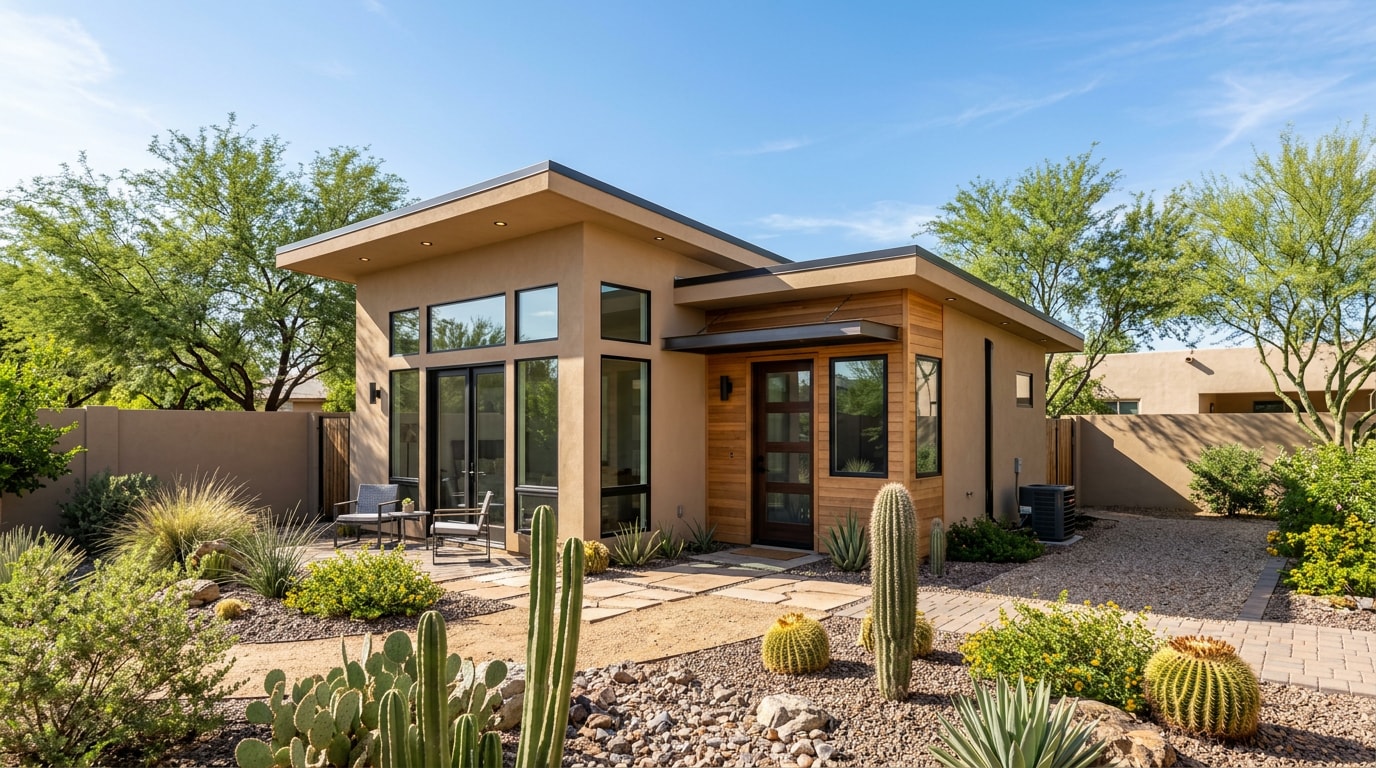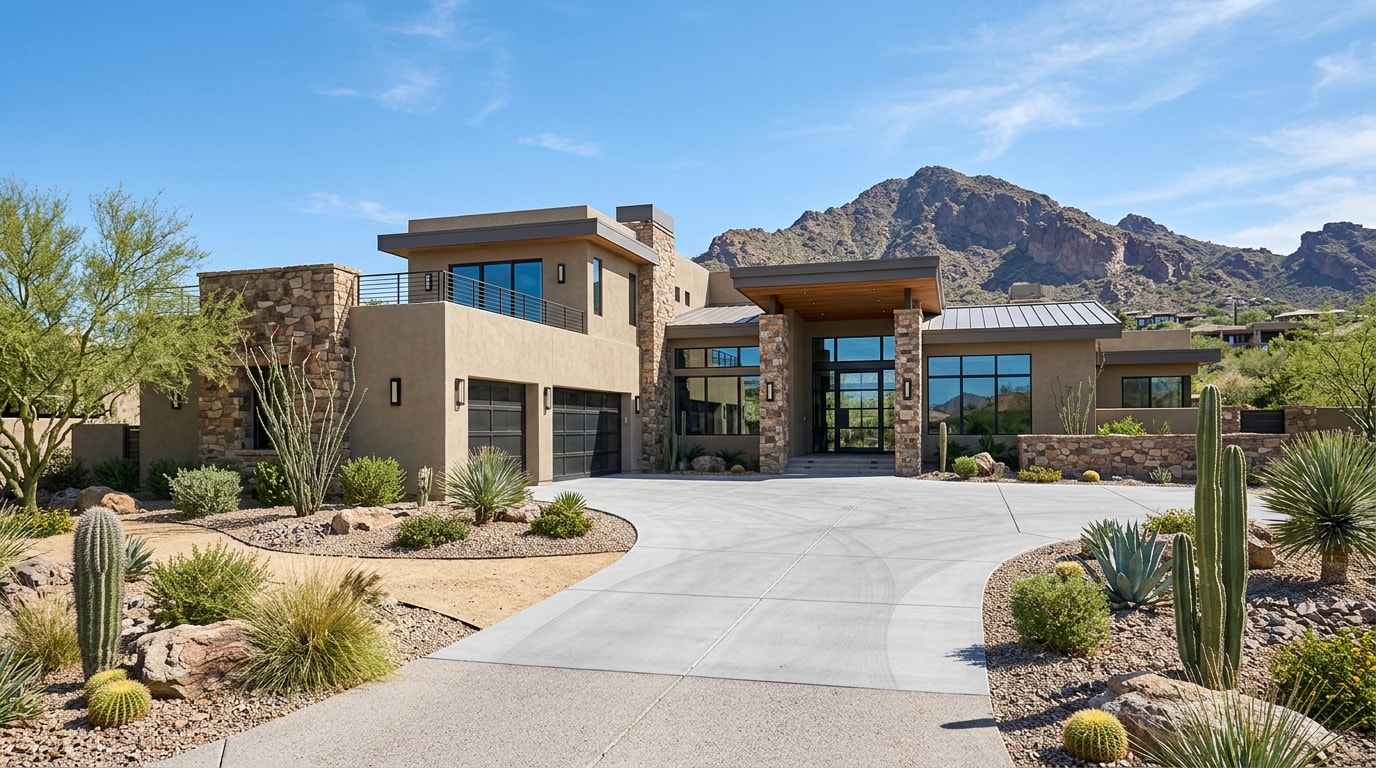
A general contracting company in Paradise Valley, AZ coordinates every trade on a remodel, from framing and masonry to concrete and electrical, and pulls the permits that hold it all together. In a town that runs its own hillside review and HOA design process, the contractor managing that paperwork matters as much as the crew on site. Here's what full-service general contracting actually covers here, and what separates a professional operation from a one-truck outfit.
What a General Contracting Company Handles in Paradise Valley, AZ
Paradise Valley's custom and luxury homes tend to touch more trades than a typical remodel. A general contractor's job is keeping all of them on one schedule instead of a homeowner juggling eight separate vendors.
| Trade | Typical Scope | Related Service |
|---|---|---|
| Carpentry | Framing, structural repair, trim, cabinetry fitting | Room additions |
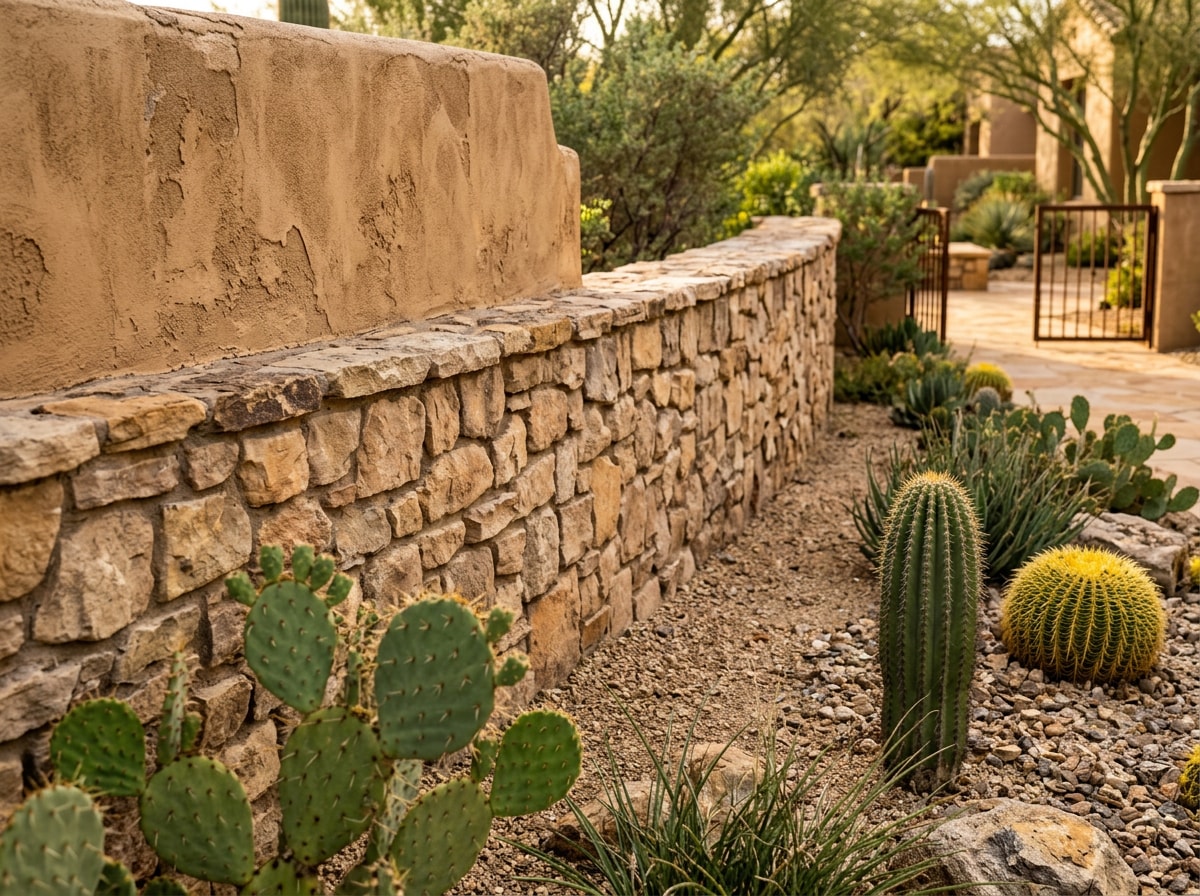
| Masonry | Courtyard walls, stone matching, block wall repair | Exterior remodeling |
| Painting | UV-resistant exterior coatings, interior finish work | Drywall, texture & painting |
| Concrete | Flatwork, stamped patios, driveways, structural pours | Concrete pouring |
| Welding & metal fabrication | Custom gates, railings, ornamental ironwork | — |
| Handyman / punch-list | Drywall patches, fixture swaps, door adjustments | General contracting services |
| Lighting | Recessed, under-cabinet, and landscape lighting | Fixture installation |
| Electrical | Panel upgrades, new circuits, code-compliant wiring | Permit management & inspections |
Arizona's climate and code structure change how a few of these trades get done.
Concrete mix design and curing schedules have to account for fast evaporation in Valley heat, or a slab cracks months after the pour looks fine. Electrical work is also a separately licensed trade in Arizona, and most jobs need a permit before anyone touches a panel. We check every job against the national standard: enforced in all 50 states, NFPA 70, National Electrical Code (NEC) is the benchmark for safe electrical design, installation, and inspection to protect people and property from electrical hazards , so inspections don't stall a finish-out schedule.
Why Paradise Valley Projects Need Extra Planning
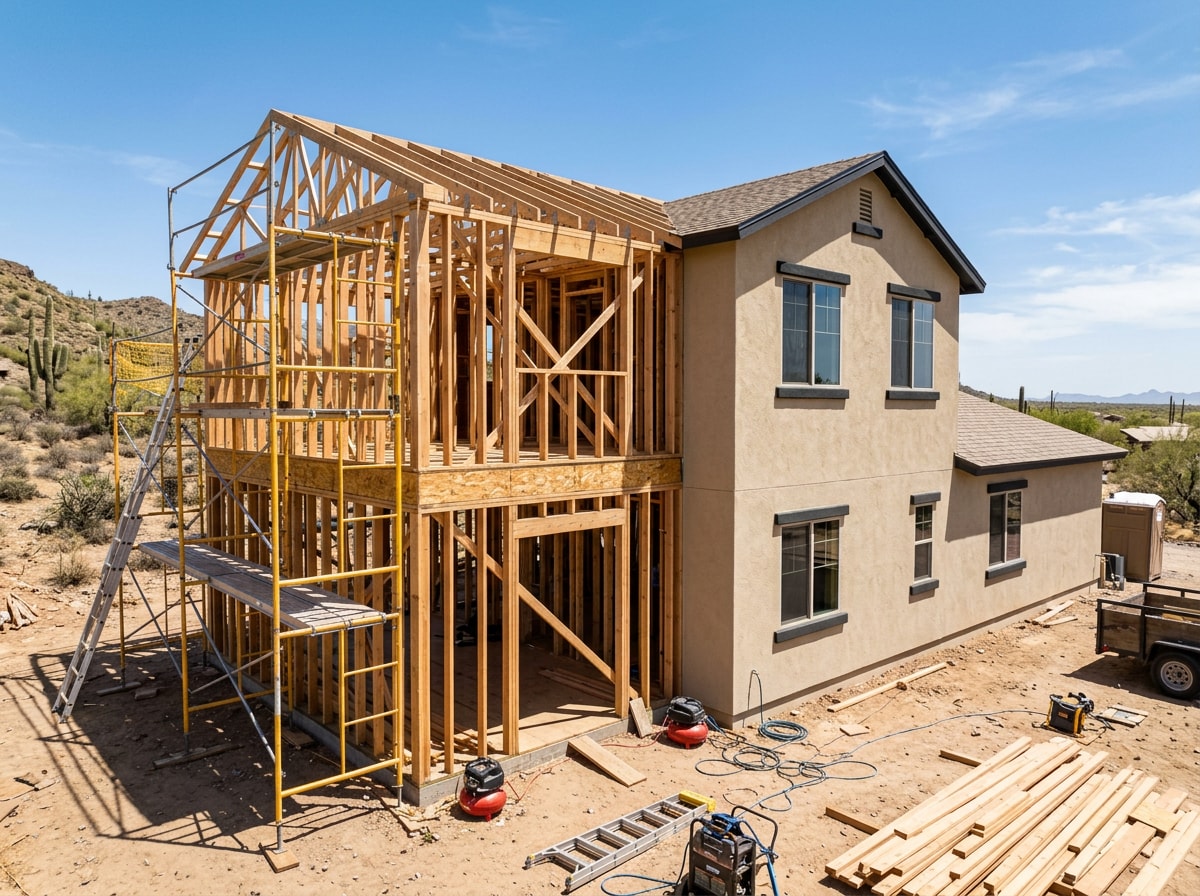
Paradise Valley is its own incorporated town, not a neighborhood of Phoenix or Scottsdale, and it runs permit review separately from Maricopa County. A few rules catch out-of-town crews off guard more than anything else:
- Lots on a slope often need an added layer of review:
other documents or information may be required from the Hillside Building Committee approval, as applicable for applications on hillside-designated property .
- Permits don't stay open indefinitely once issued.
Permits are valid for 180 days from the date of issuance , which matters on multi-phase projects where not every permit should be filed on day one.
- Active work hours are restricted.
Building construction must not start sooner than 7:00 a.m. and must stop no later than 5:00 p.m. on Monday through Friday and 9:00 a.m. to 5:00 p.m. on Saturdays, Sundays, and legal holidays , with a noise cap at the property line.
Many Paradise Valley neighborhoods layer an HOA design review on top of the town's process, covering exterior materials, colors, and even where crews can park during construction. We build hillside review, permit sequencing, and the town's hour and noise restrictions into the schedule before a bid goes out, not after a crew shows up and gets turned away.
If a hillside lot or HOA review is part of your project, get a free consultation early. It's easier to build that review time into a bid upfront than to explain a delay once the crew is already scheduled.
What Sets a Professional General Contractor Apart
Anyone can hang a sign that says general contractor. What separates a professional operation from a one-person crew is a track record working alongside architects, trade partners, and inspectors, plus project management that holds a schedule together instead of letting it drift.
Good projects rarely start with the contractor alone. Architects and designers draw up the vision. The client sets the budget and priorities. The contractor translates both into a buildable schedule. That collaboration works best when everyone reviews the same drawings, flags conflicts early, and agrees on change-order procedures before the first permit gets pulled.
On our jobs, that means weekly check-ins, documented change orders, and one point of contact so project communication doesn't get lost. For a closer look at how scheduling, budgeting, and inspections fit together on a Valley remodel, see our construction management guide for Paradise Valley projects.
How We Approach Every Project
The feedback we hear most from Paradise Valley clients isn't about any single trade. It's about how the job felt to live through.
Clear updates before small delays become big ones. A job site left clean each day. Craftsmanship that still looks right a year later, not just at the final walkthrough.
Our project managers walk every hillside lot before writing a bid, because a slope the town flags for Hillside Building Committee review changes both the schedule and the number. You can see examples of completed work on our projects page.
Serving Paradise Valley and the Surrounding Valley
Our crews work throughout Paradise Valley and the surrounding Phoenix-metro communities, but building inside the Town of Paradise Valley comes with layers many general contractors aren't used to navigating: strict setback rules, height limits, hillside review on sloped lots, and in many neighborhoods an HOA design review before the municipal permit even gets filed.
The Town of Paradise Valley's Building Department outlines these requirements directly, and timelines stretch if plans don't account for them upfront. See our full Paradise Valley service area coverage for more on how we work in this market, or browse our general contracting services and homepage to see recent work before requesting a quote.
FAQ
What Does a General Contracting Company Do?
A general contracting company manages a construction project from start to finish: scheduling subcontractors, pulling permits, tracking the budget, and coordinating inspections. Homeowners deal with one point of contact instead of a dozen separate trades.
Can You Be Your Own General Contractor in Arizona?
Arizona allows homeowners to act as their own general contractor under a limited exemption, but it permits a property owner to act as their own contractor for a primary residence, and the exemption applies only once per 24-month period, with the owner required to actually occupy the structure . Once a project falls outside that scope, state law requires a licensed GC.
Are Your Crews Licensed and Insured in Arizona?
Yes. A legitimate Arizona general contractor carries an active license from the state's licensing board, which established in 1931, licenses and regulates over 60,000 residential and commercial contractors , along with general liability insurance and workers' compensation coverage for every crew member on site. Ask to see current license and insurance certificates before signing a contract.
How Quickly Can You Provide a Bid?
Most straightforward projects get a written estimate within a few business days of a site visit. Scope that's still undefined slows this down, so rough drawings, a materials wish list, or at least a clear budget range speeds up the estimate.
Does Paradise Valley Have Extra Review for Hillside or HOA Lots?
Yes. Sloped lots in Paradise Valley often need Hillside Building Committee sign-off before a building permit is issued, and many HOA communities add their own design review covering exterior materials, colors, and construction parking. We handle both as part of project planning rather than leaving homeowners to manage that paperwork separately.
Do You Have Experience Working in Paradise Valley's High-Standard HOA Communities?
Yes. Paradise Valley HOA work means following strict exterior material and color guidelines, submitting plans for HOA approval before permitting, and keeping crews, parking, and noise within community and town rules. We handle these submittals as part of project planning, not as an afterthought once work has already started.